
Reviews
Description
Core Gameplay Dynamics
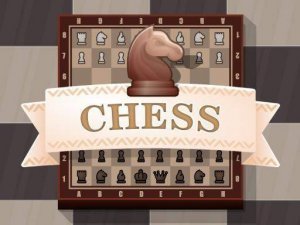
Timeless Chess Tactics revolves around outmaneuvering your opponent on a standard 8x8 grid. Each player commands a set of pieces with distinct movement patterns, from the straightforward pawn to the versatile queen. The primary goal is to trap the opposing king, a condition known as checkmate. This requires careful coordination of your forces, balancing immediate threats with long-term positioning. The game rewards players who think ahead, anticipate countermoves, and adapt to shifting board states. Every decision, from the opening move to the endgame, carries weight, making each match a unique test of strategic thinking.
Piece Movement and Roles
Understanding how each piece operates is fundamental to success. Pawns advance forward but capture diagonally, and they have a special two-square option on their first move. Knights jump in an L-shape, bypassing intervening pieces. Bishops slide along diagonals, while rooks move in straight lines. The queen combines the powers of a rook and bishop, offering the greatest mobility. The king moves one square in any direction but must be protected at all costs. This variety creates layered tactical possibilities, such as forks, where one piece attacks two targets simultaneously, or pins that restrict opponent movement.
Strategic Phases of Play
A typical game unfolds in three broad phases: opening, middlegame, and endgame. The opening focuses on developing pieces from their starting positions, controlling central squares, and ensuring king safety through castling. The middlegame involves direct attacks, defensive formations, and exchanges of material. Players look for tactical opportunities while maintaining positional advantages. The endgame begins when few pieces remain, often emphasizing pawn promotion and king activity. Recognizing transitions between these phases helps players allocate their mental energy effectively and adjust their plans accordingly.
Digital Experience and Features
This online adaptation provides a clean visual presentation with smooth animations for piece movement. Legal moves are highlighted when a piece is selected, which assists beginners in learning the rules without frustration. Options to undo or redo moves allow experimentation with different sequences, aiding in strategy development. Players can compete against a computer opponent or a friend on the same device. Some versions may include adjustable difficulty levels or time controls to match different skill levels and preferred pacing. The interface respects traditional chess conventions, ensuring an authentic feel.
Improving Your Game
Regular practice is the most reliable path to improvement. Studying common patterns, such as forks, pins, and skewers, builds pattern recognition. Reviewing completed games helps identify mistakes and missed opportunities. Many players benefit from solving tactical puzzles that focus on specific motifs like checkmate in two moves or winning material. Understanding basic endgame principles, such as opposition in king and pawn endings, also strengthens overall play. The game's undo feature makes it easy to explore alternative moves and learn from errors without penalty.





Player Comments
Sign in to comment
You must be logged in before posting a review or rating.
No account? Create one
No comments yet. Be the first to comment!